
Save the Dates are an essential part of the wedding planning process, offering couples a chance to notify guests about the wedding well in advance. Here’s everything brides and grooms need to know to ensure their Save the Dates are perfect for their big day:
1. What Are Save the Dates?
A Save the Date is a pre-invitation that informs your wedding guests about the wedding date and location. This allows guests ample time to make travel arrangements, book accommodations, and reserve the date for your celebration.

2. When to Send Save the Dates
- Timing: Typically, Save the Dates should be sent 6-8 months before the wedding. For destination weddings or events requiring significant travel, send them 9-12 months in advance.
- Seasonal Considerations: Planning a wedding during peak seasons (spring and summer)? Send out Save the Dates earlier to help guests secure accommodations and travel plans.
3. Who Should Receive a Save the Date?
- Definite Invitees: Send Save the Dates to family members, close friends, and other important guests you are sure will be invited.
- Guest List Caution: Avoid sending Save the Dates to tentative guests. Once they receive one, they’ll assume they are invited.
4. Essential Information to Include
- Wedding Date: Clearly state the exact date of your wedding.
- Wedding Location: Include the city and venue (or at least the city if the venue isn’t finalized). For destination weddings, consider adding additional travel information.
- Couple’s Names: Ensure your names are prominently displayed so guests know who’s getting married.
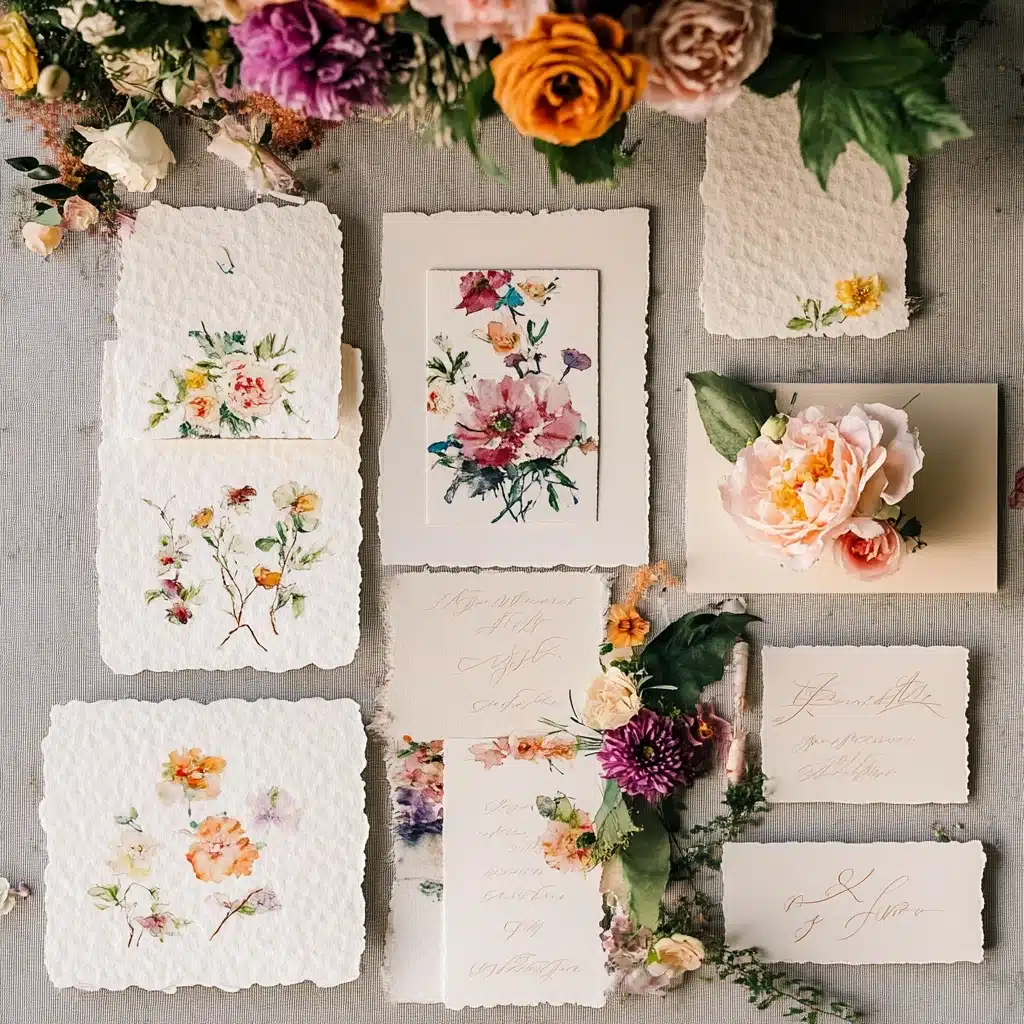
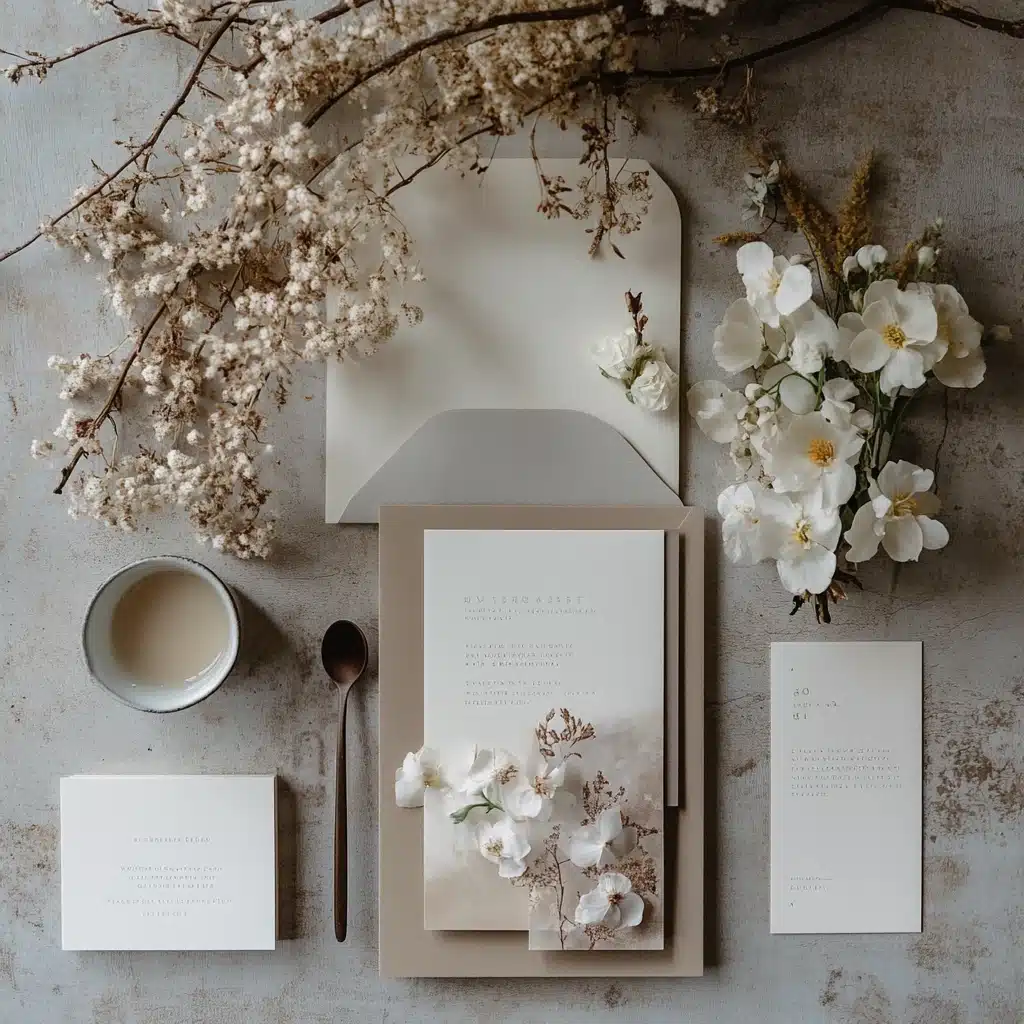
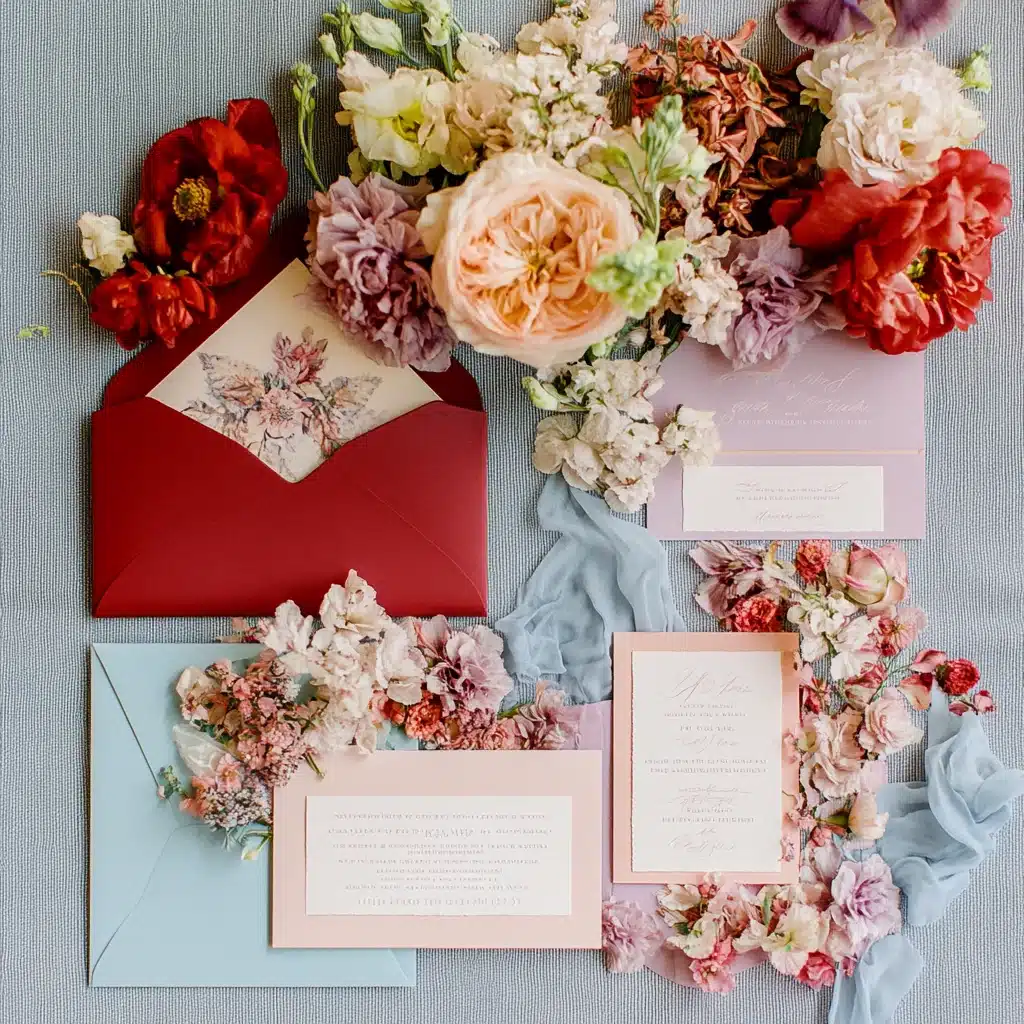
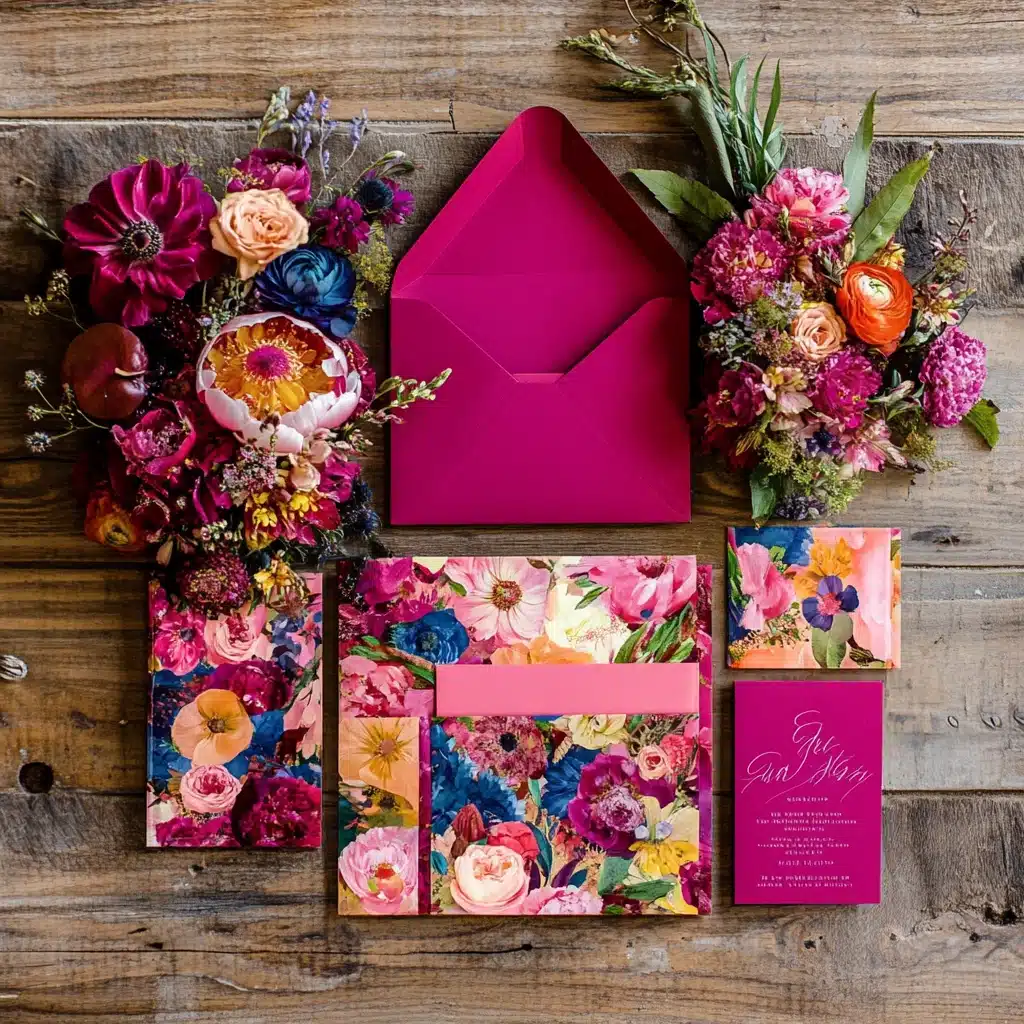
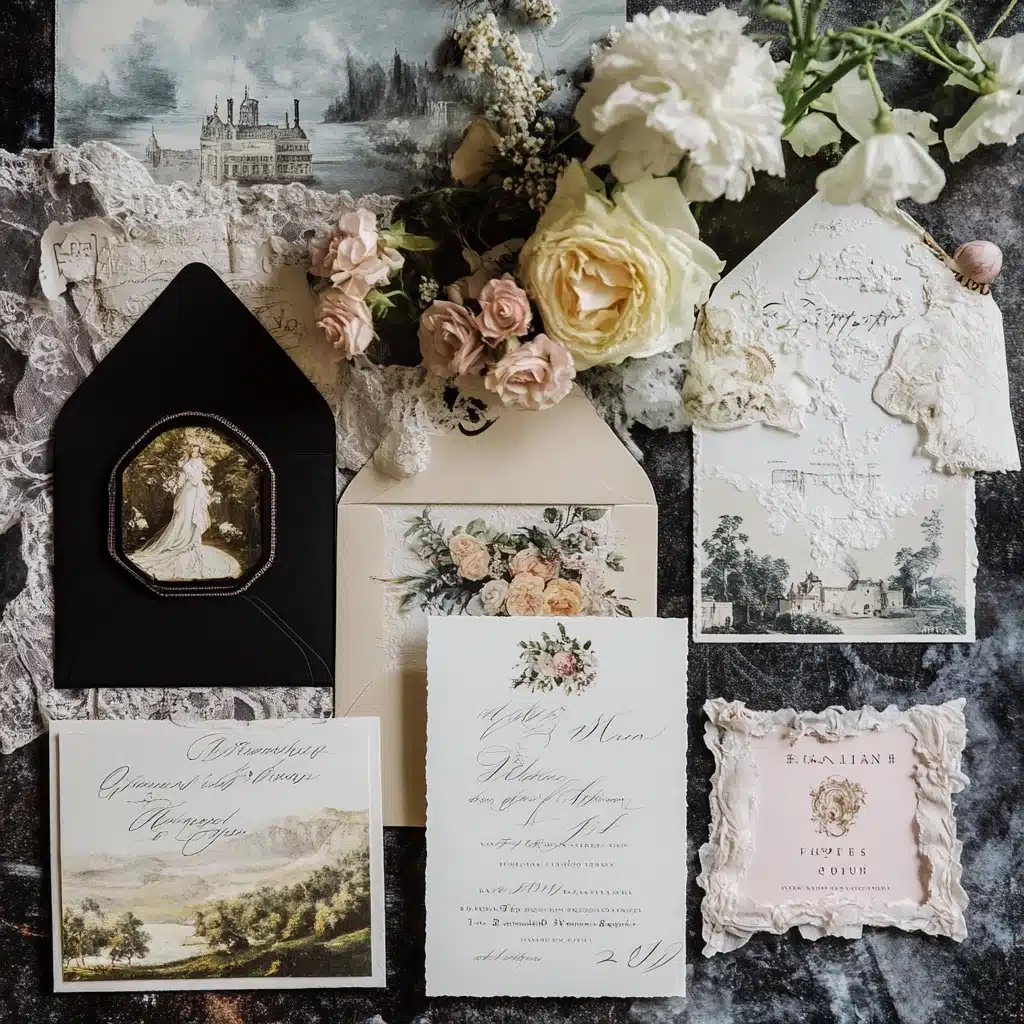
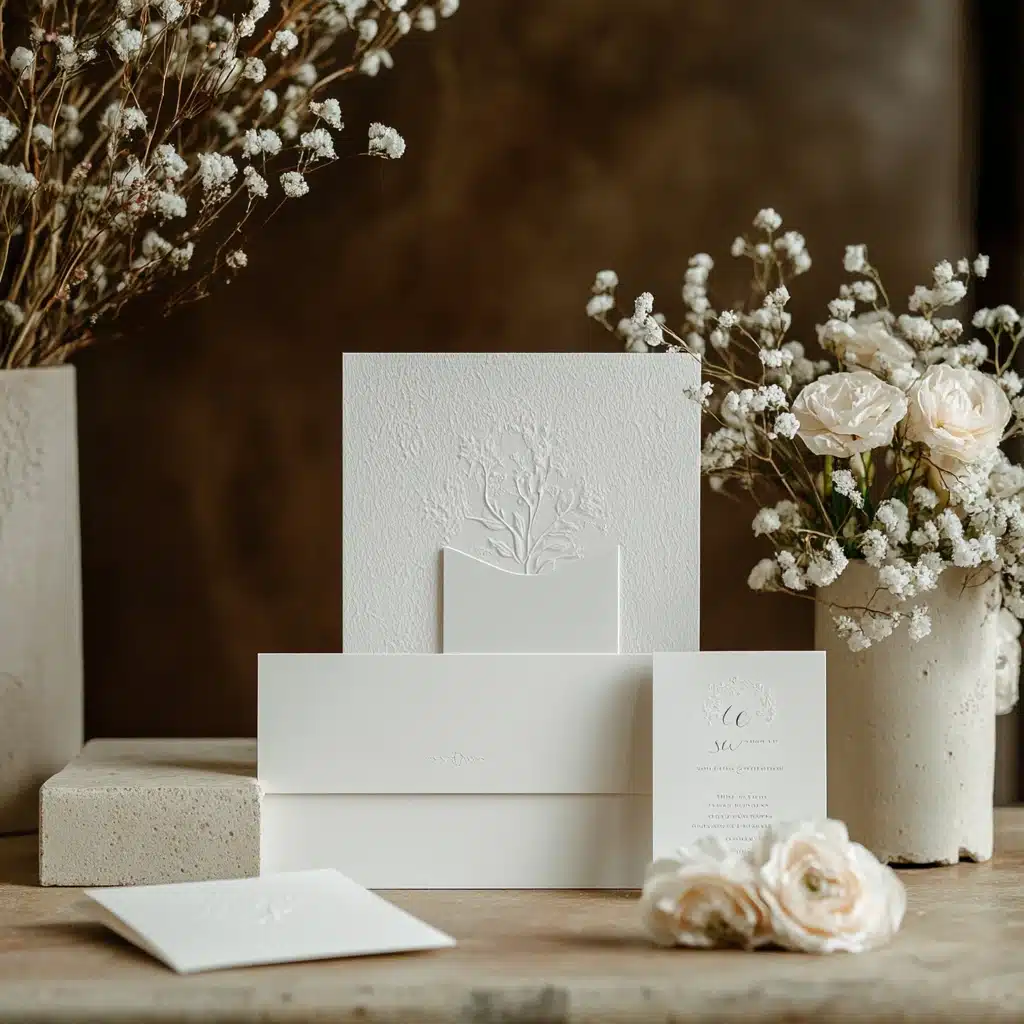
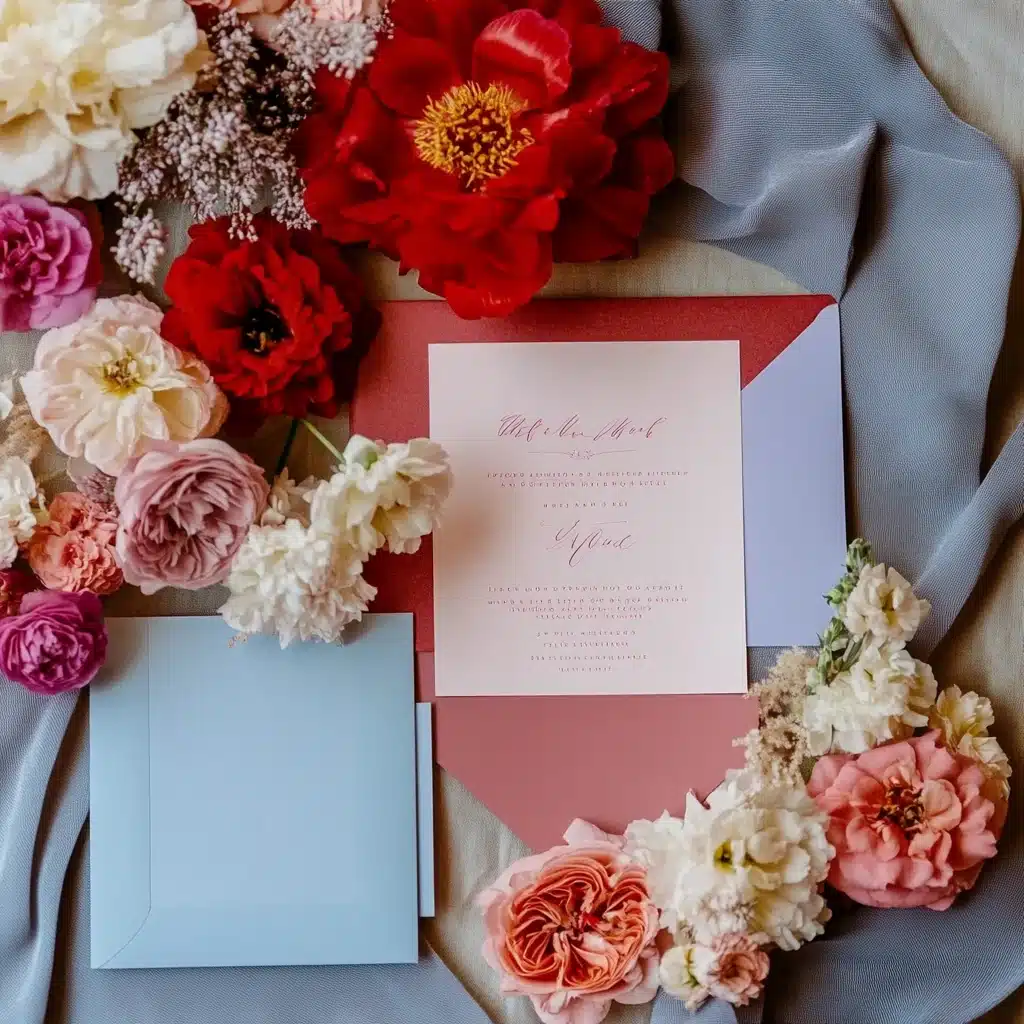
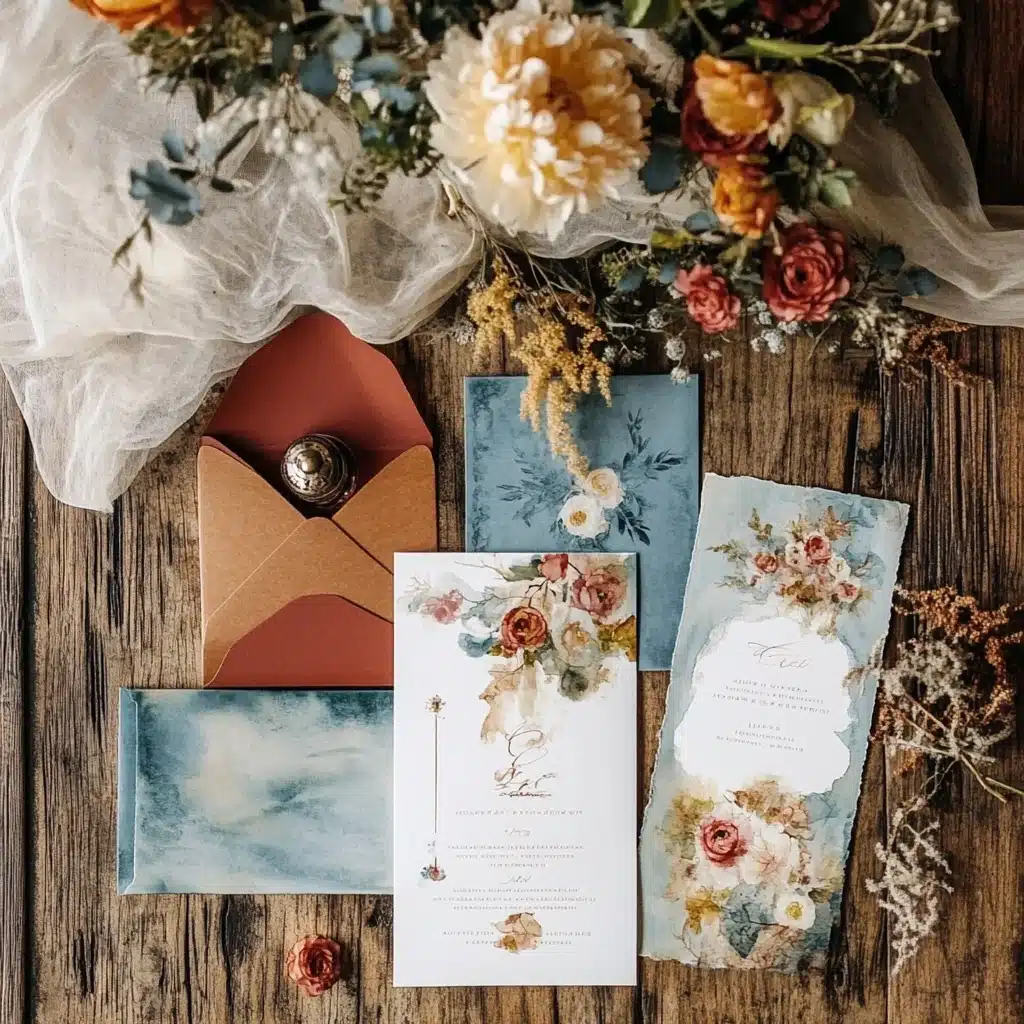
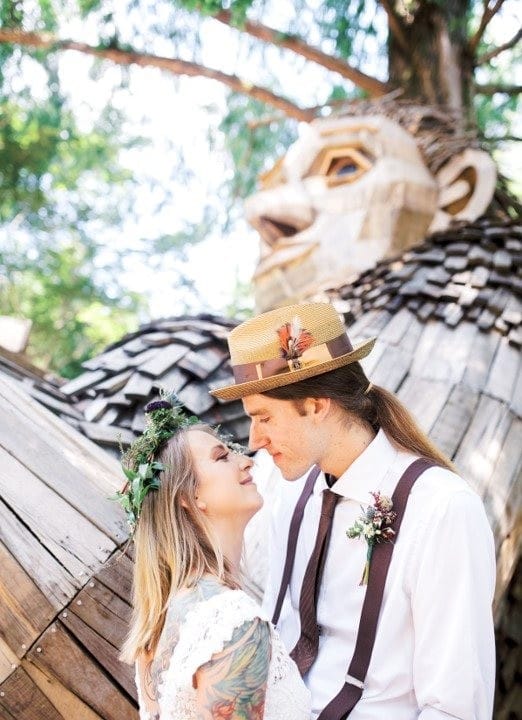
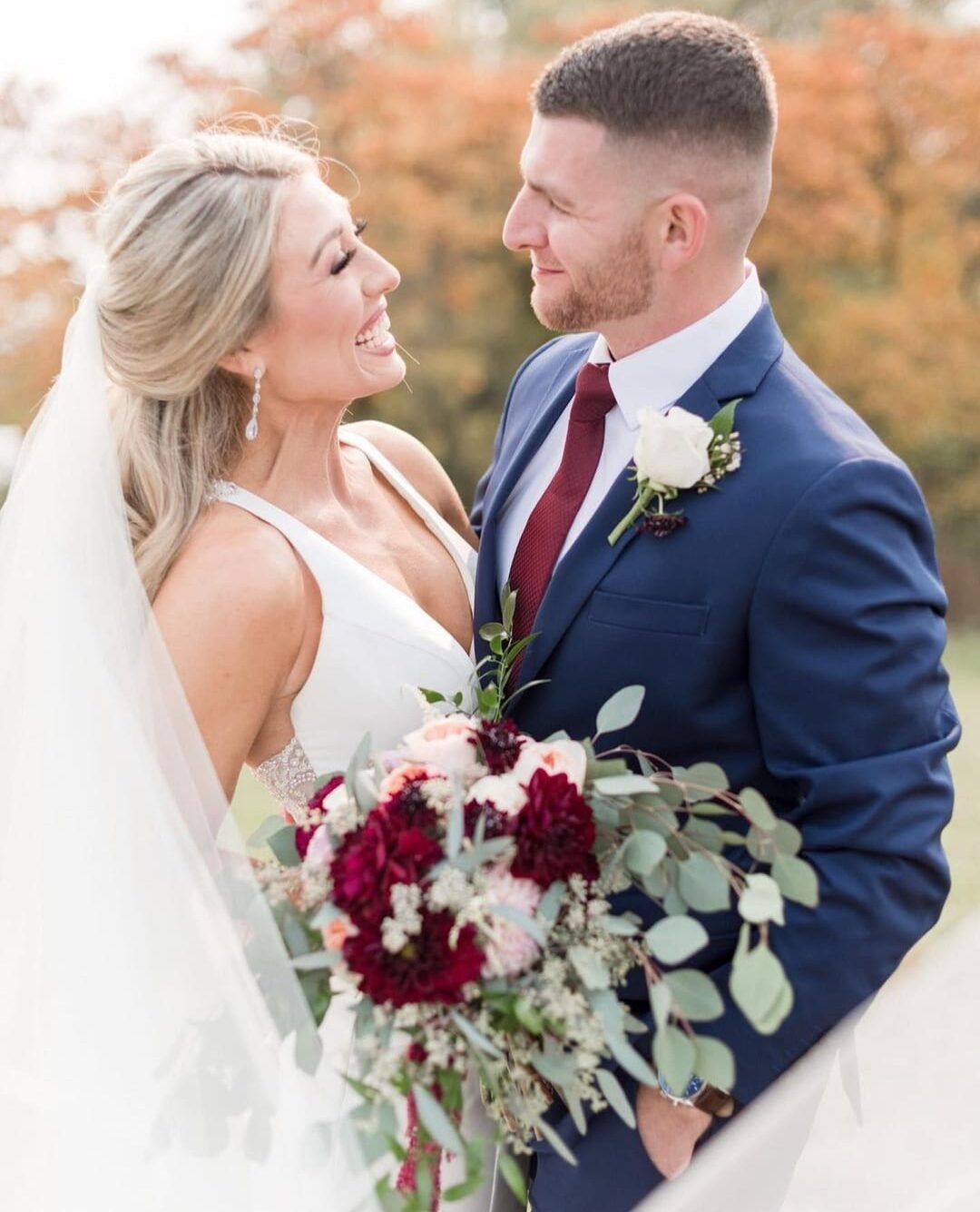
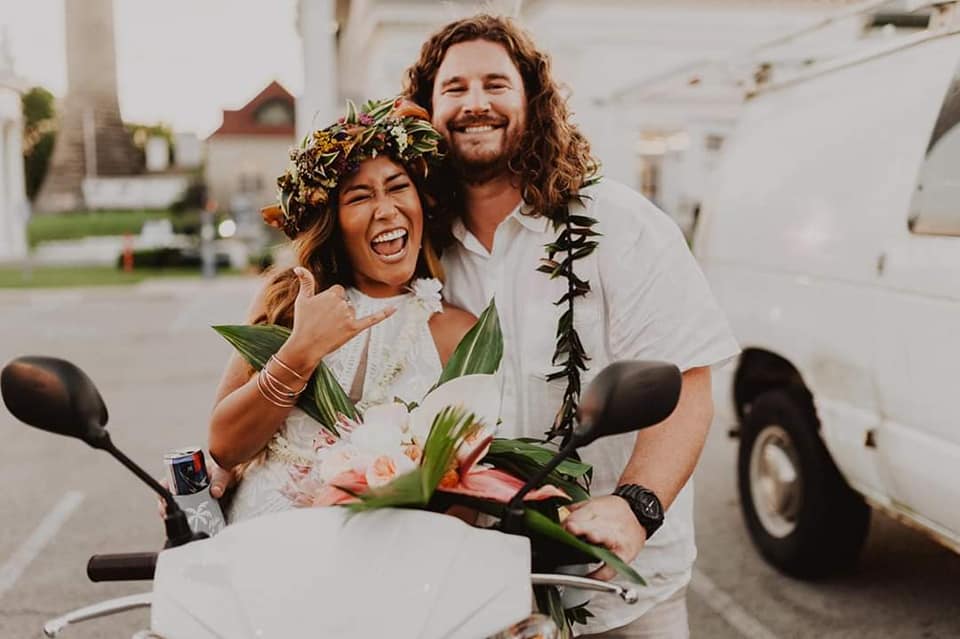
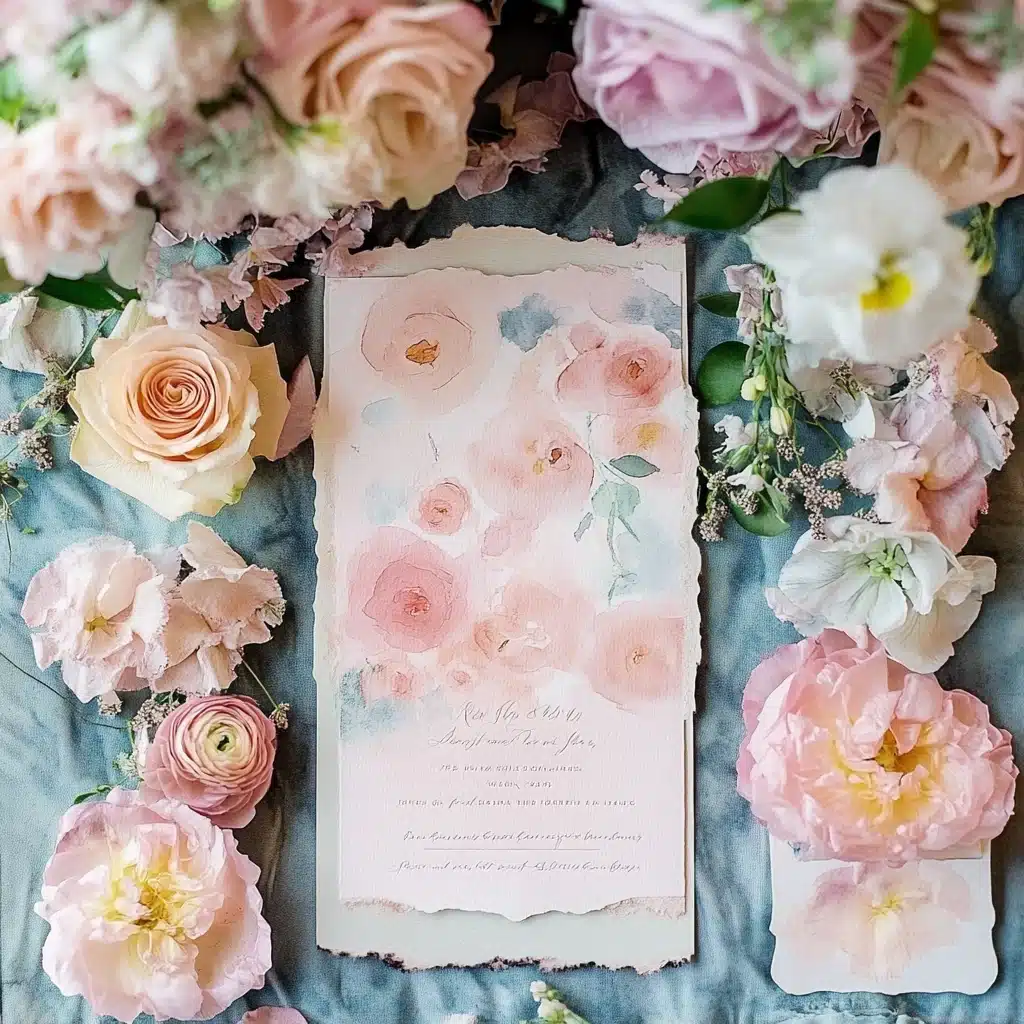
- Personal Touch: Add design elements that match your wedding theme, such as colors, flowers, or illustrations.
- Wedding Website (Optional): Include a URL if you have a wedding website for more information, including the registry, travel details, and RSVP options.
5. Save the Date Design Ideas
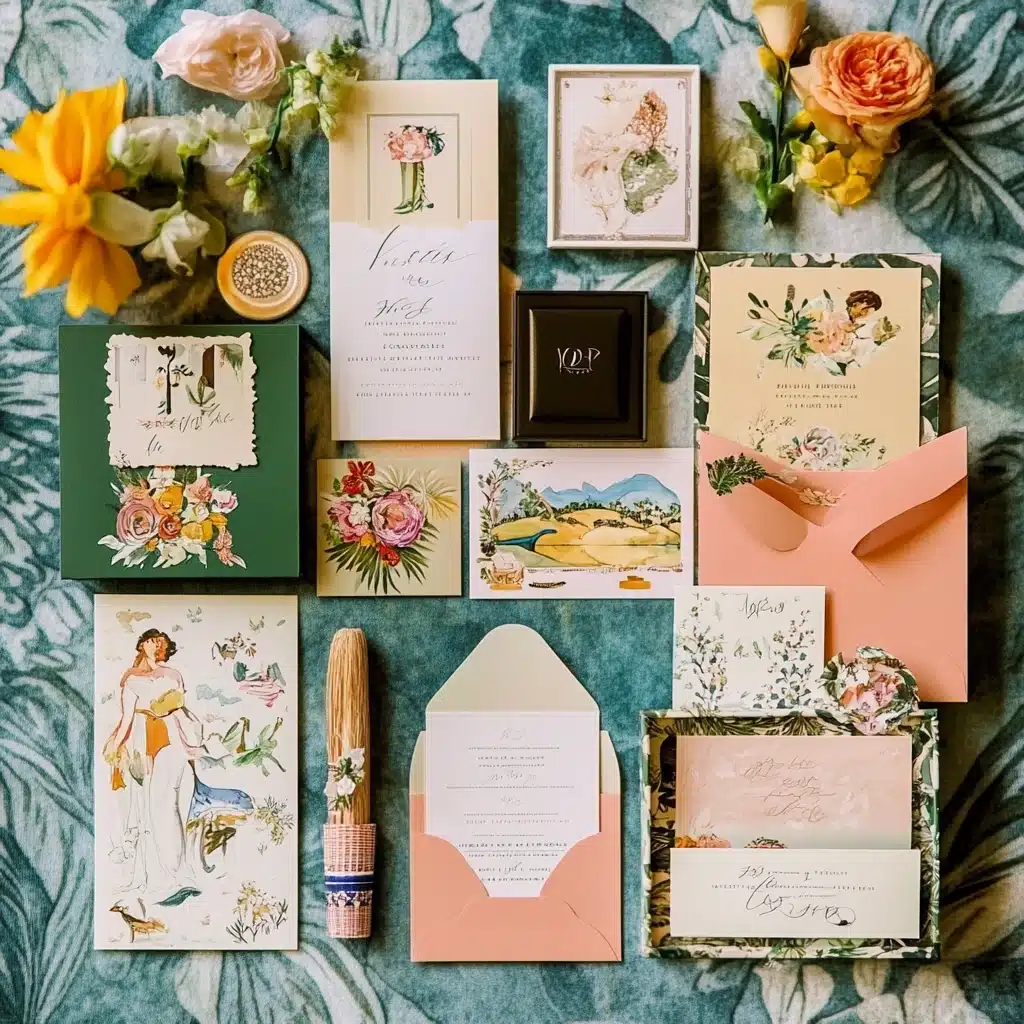
- Customization: Select a Save the Date design that matches your wedding theme—whether elegant, rustic, whimsical, or modern.
- Format Options:
- Postcards: Simple and budget-friendly.
- Magnetic Save the Dates: Fun and practical for guests.
- Online Save the Dates: Eco-friendly and cost-effective.
- Printed Cards: Traditional and formal, often on premium paper.
6. Save the Dates vs. Wedding Invitations
- Save the Dates Are Informational Only: Include the basics—date, location, and names.
- Wedding Invitations: These come later (8-12 weeks before the wedding) and provide detailed information such as RSVP instructions, dress code, and the wedding itinerary.
7. What If Plans Change?
- Date or Venue Changes: Inform guests promptly with updated Save the Dates, follow-up notes, or personal communication.
- Guest Availability: Understand that some guests may not be able to attend despite early notice. Send them a thoughtful thank-you card post-wedding.
8. Digital vs. Physical Save the Dates
- Digital: Cost-effective and eco-friendly with interactive designs. Ideal for destination weddings or tech-savvy guests.
- Physical: Traditional and elegant, representing your wedding’s style.
9. Benefits of a Wedding Website
- Convenience: Share important wedding details, hotel options, travel info, and your gift registry.
- RSVP Management: Many wedding websites allow guests to RSVP online, simplifying the process.
10. Final Tips for Perfect Save the Dates
- Keep It Simple: Save the Dates don’t need to be complicated—focus on clarity and essential information.
- Proofread: Double-check names, dates, and locations to avoid errors.
- Set the Tone: Use Save the Dates to give guests a sneak peek of your wedding vibe, whether formal, fun, or casual.
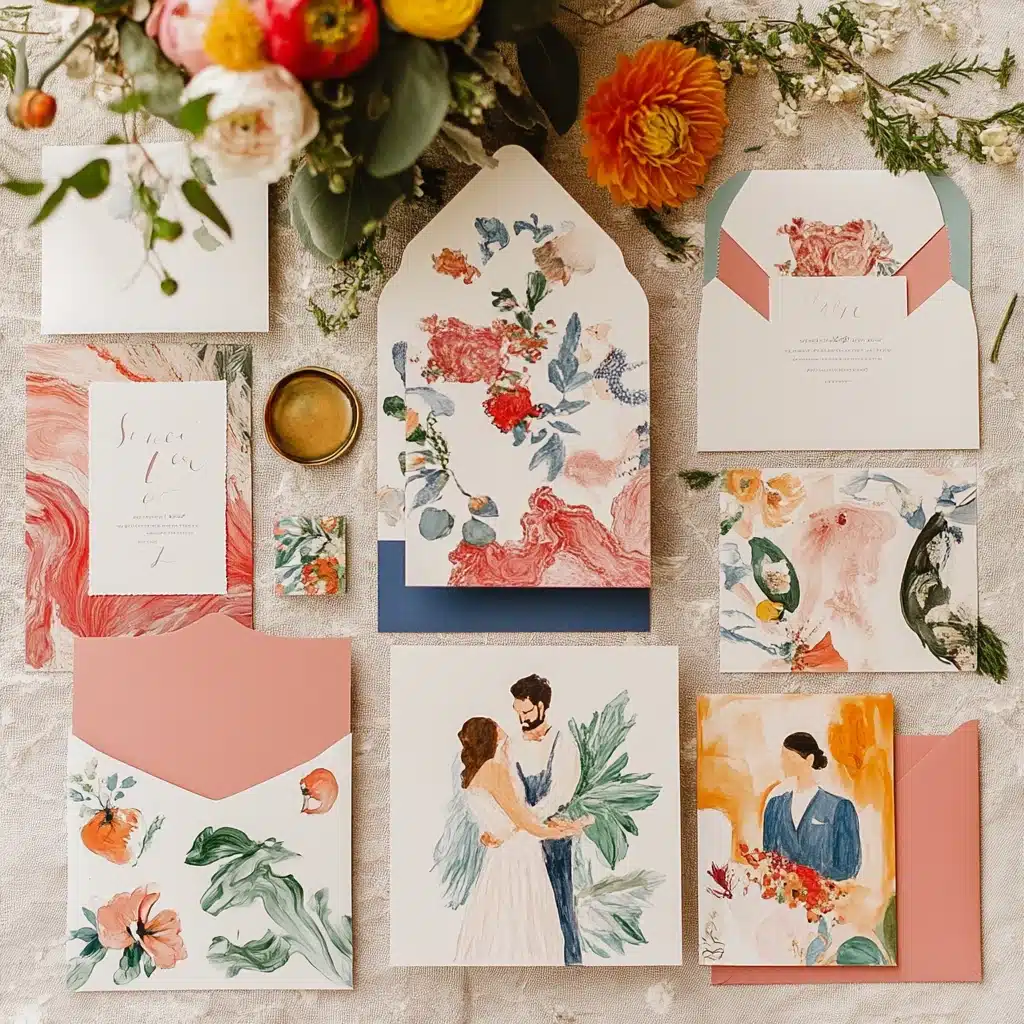
By following these wedding planning tips, couples can create beautiful, informative, and memorable Save the Dates, building excitement for their big day!
To Learn more about Michaelis Events and the services we offer, check out our website at www.MyMEstory.com