
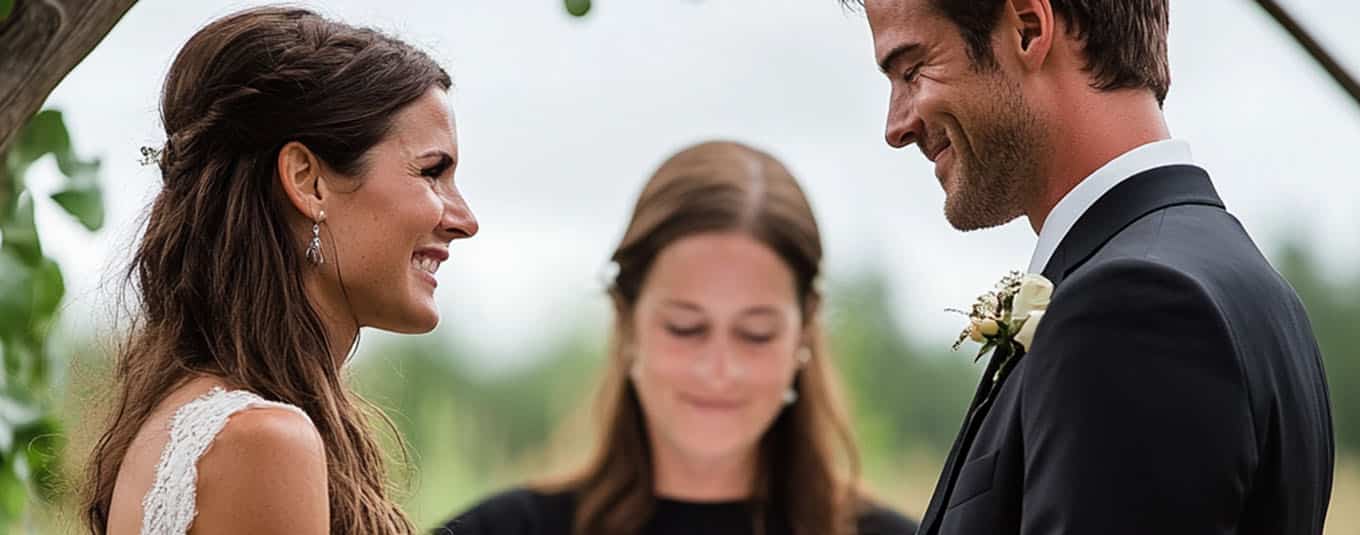
Your wedding ceremony is one of the most intimate moments of your life, and the officiant you choose will play a pivotal role in making it truly memorable. To ensure that your ceremony reflects your unique love story and runs seamlessly, clear communication and strong coordination with your wedding officiant are essential. In this guide, we’ll explore best practices for effective communication and coordination, helping you build a strong partnership with your officiant from planning to the big day.
Why Communication & Coordination Matter
Effective dialogue with your wedding officiant lays the foundation for a personalized and stress-free ceremony. When both parties are aligned, you can:
- Ensure Clarity: Clearly convey your vision, expectations, and special requests.
- Build Trust: Foster a collaborative relationship that makes your officiant feel like an extension of your wedding team.
- Streamline the Process: Smooth coordination helps avoid misunderstandings and last-minute changes, ensuring that every detail is managed effortlessly.
Establishing Your Vision Through Initial Consultations
1. Share Your Love Story
Personal Touch: Start by discussing your journey as a couple. Highlight key moments, values, and traditions that you’d like to see woven into your ceremony.
Vision and Tone: Be specific about the tone you desire—whether it’s traditional, modern, humorous, or spiritual. This helps your officiant tailor their approach accordingly.
2. Discuss Specific Ceremony Details
- Script Customization: Talk about any readings, rituals, or personalized elements you want included in the ceremony script.
- Timeline and Cues: Provide a clear timeline for the ceremony, marking significant moments such as the processional, exchange of vows, unity rituals, and the recessional.
- Venue Considerations: Share details about the venue, including acoustics, seating arrangements, and any technical needs, so your officiant can plan accordingly.
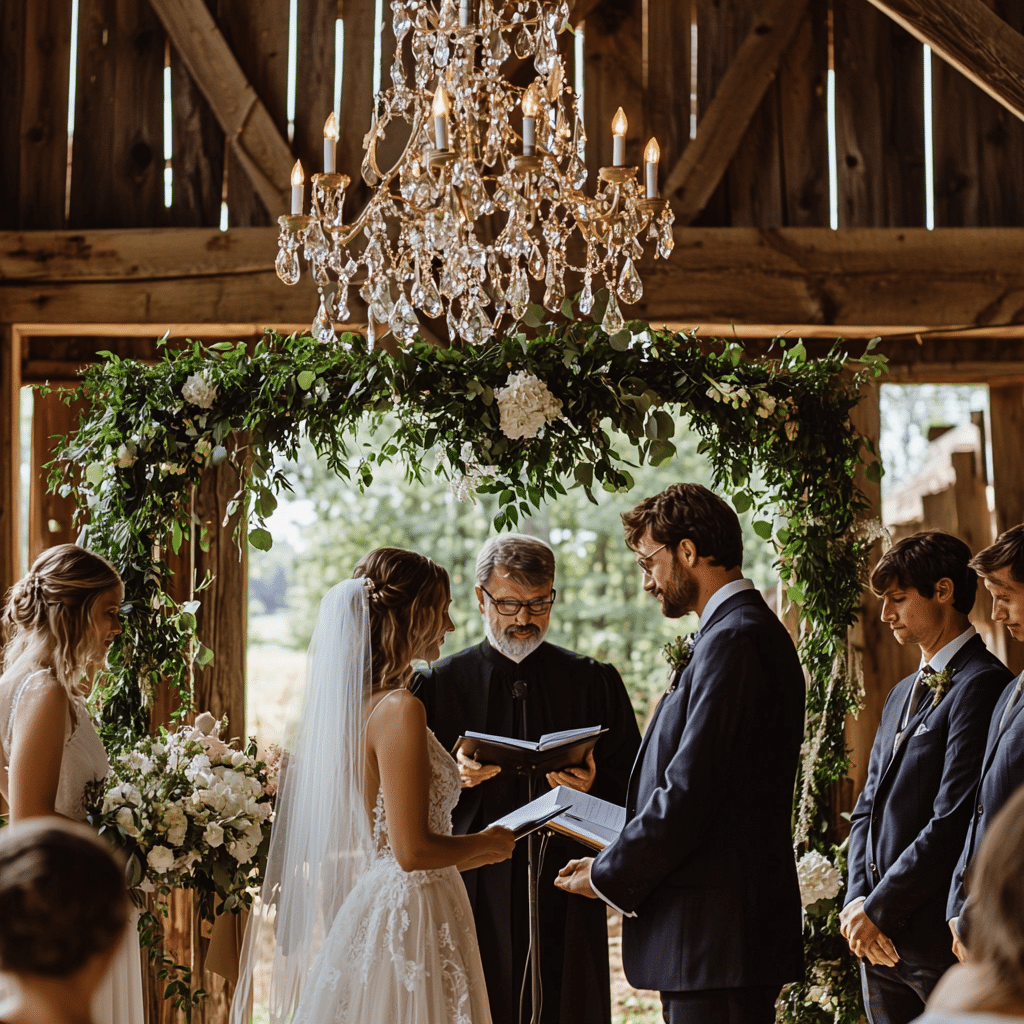
Crafting a Detailed Ceremony Brief
1. Document Your Preferences
- Written Outline: Create a detailed outline or brief that includes your desired order of events, key readings, personal vows, and any cultural or family traditions.
- Visual Inspirations: Consider putting together a mood board with images, colors, and themes that resonate with your vision. This can serve as a visual guide for your officiant.
2. Review and Revise Together
- Multiple Drafts: Encourage your officiant to provide draft versions of the ceremony script. This collaborative process ensures that your input is reflected in the final version.
- Feedback Loop: Establish regular check-ins during the planning process to discuss any updates or changes. This keeps the conversation ongoing and ensures everyone remains aligned.
Coordinating on the Wedding Day
1. Final Rehearsals
- Run-Through Sessions: Schedule a rehearsal that includes the officiant, key family members, and the wedding party. This practice run helps everyone understand their roles and the flow of the ceremony.
- Address Last-Minute Adjustments: Use the rehearsal as an opportunity to make any final tweaks to timing, cues, or script details.
2. On-Site Communication
- Designated Point of Contact: Appoint a trusted family member, wedding planner, or coordinator to act as the primary point of contact on the day of the ceremony. This ensures smooth, real-time communication.
Emergency Protocols: Discuss contingency plans with your officiant in case of unexpected changes or delays. Knowing there’s a plan in place can alleviate stress and keep the day running smoothly.
Final Thoughts
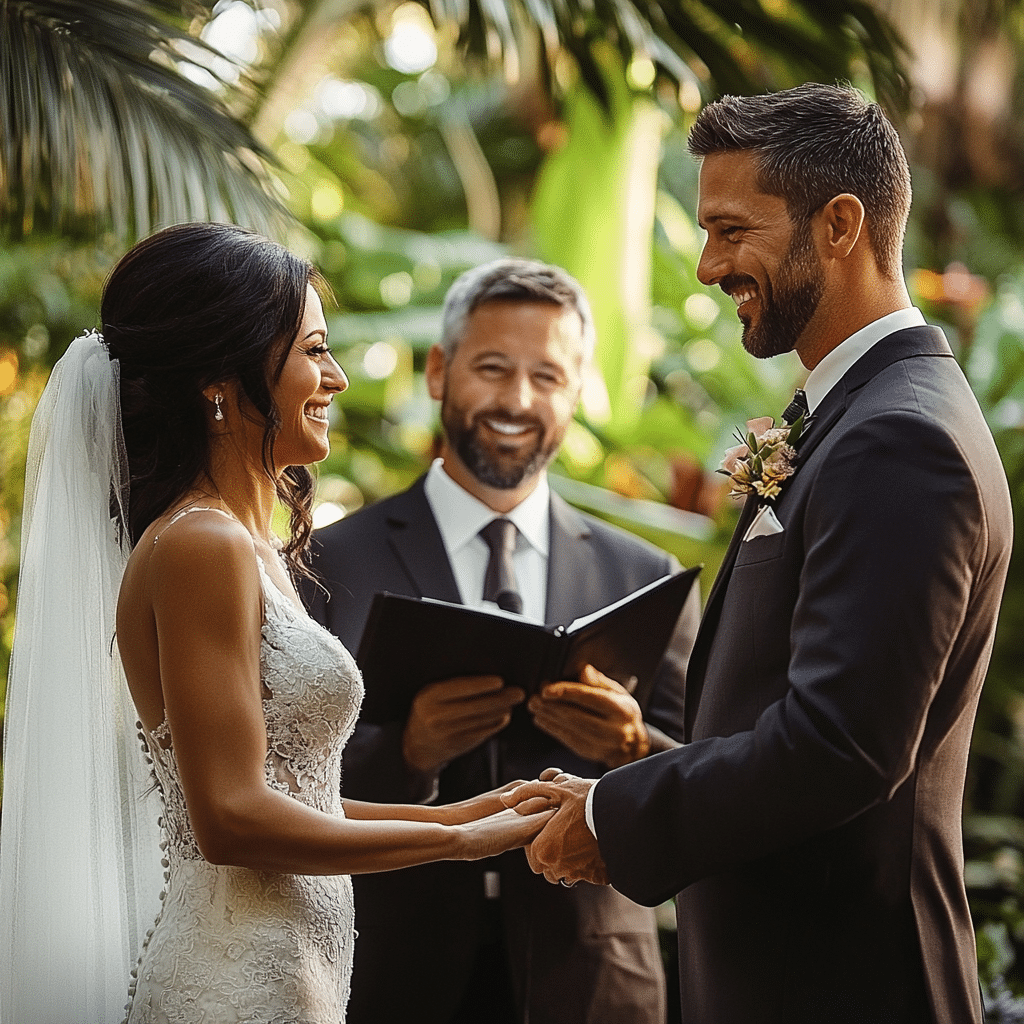
Effective communication and coordination with your wedding officiant are essential to crafting a ceremony that truly represents your love story. By sharing your vision clearly, collaborating on the ceremony details, and maintaining open lines of communication, you’ll build a strong partnership that enhances every moment of your wedding day.
Take the time to connect, ask questions, and ensure that every detail is thoughtfully addressed. With the right approach, your officiant will help transform your ceremony into an authentic, heartfelt celebration that resonates with you and your guests.
Happy planning, and here’s to a wedding ceremony filled with seamless coordination and unforgettable moments!